

 Share
Share

Blog
Expert insights and trends to accelerate medical device innovation and component sourcing.
Chamfr Resources
Learn. Explore. Connect.
New episodes, expert voices, delivered regularly.
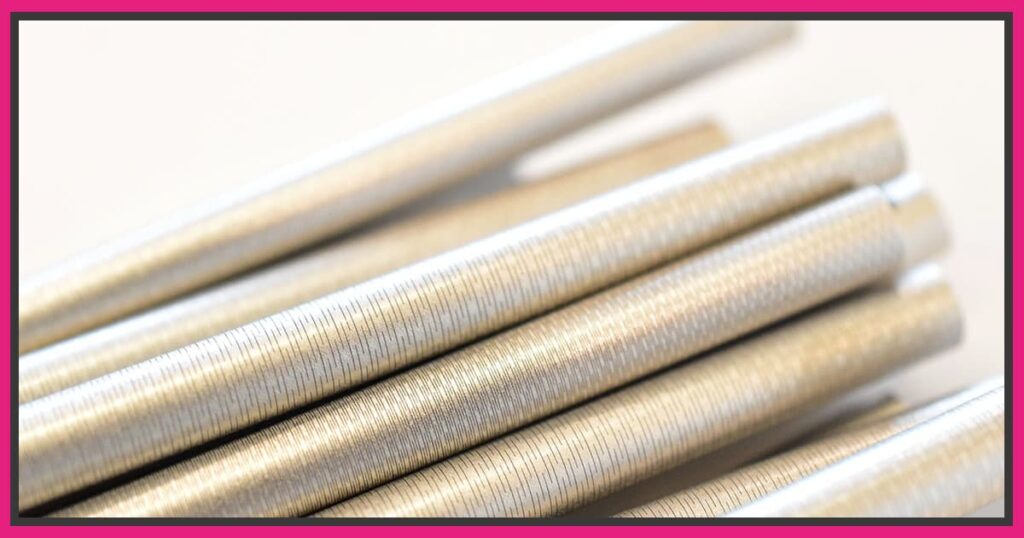
Create thinner, higher-performance interventional devices with laser cut hypotubes that help tune flexibility, torque response, pushability, trackability, and kink resistance in catheter shaft designs.
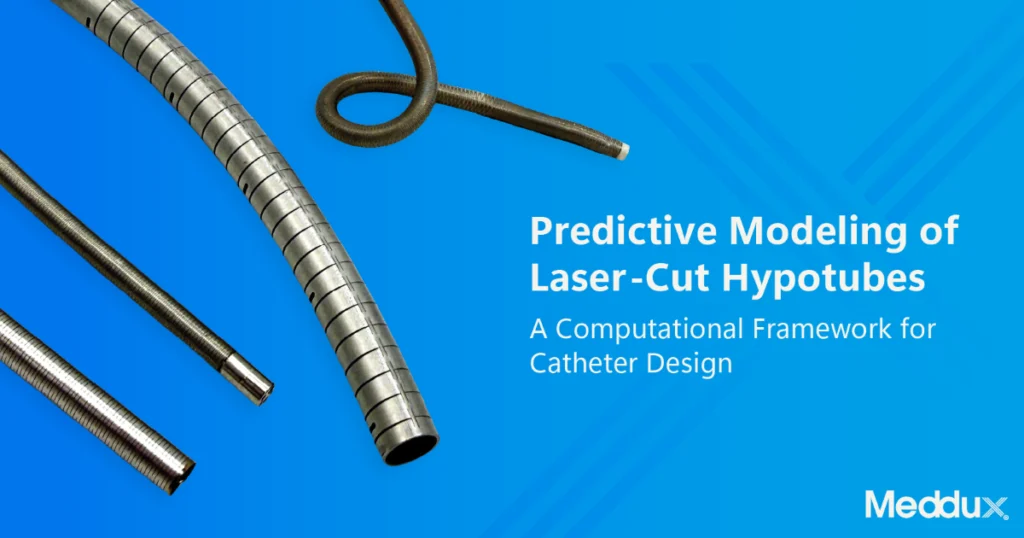
Laser-cut hypotubes give catheter teams greater precision control, but predicting performance can be challenging. In this sponsored technical blog post, Meddux shares a computational framework designed to predict key performance characteristics from defined engineering inputs.
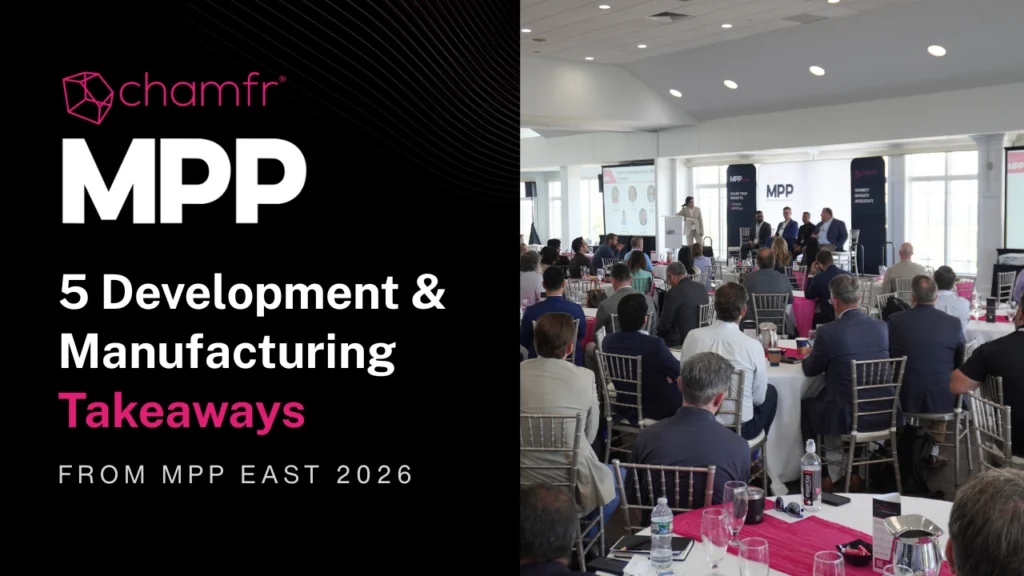
See what happens when promising medical device designs meet real-world process, material, and scale-up challenges, with five key takeaways from technical experts at MPP East.
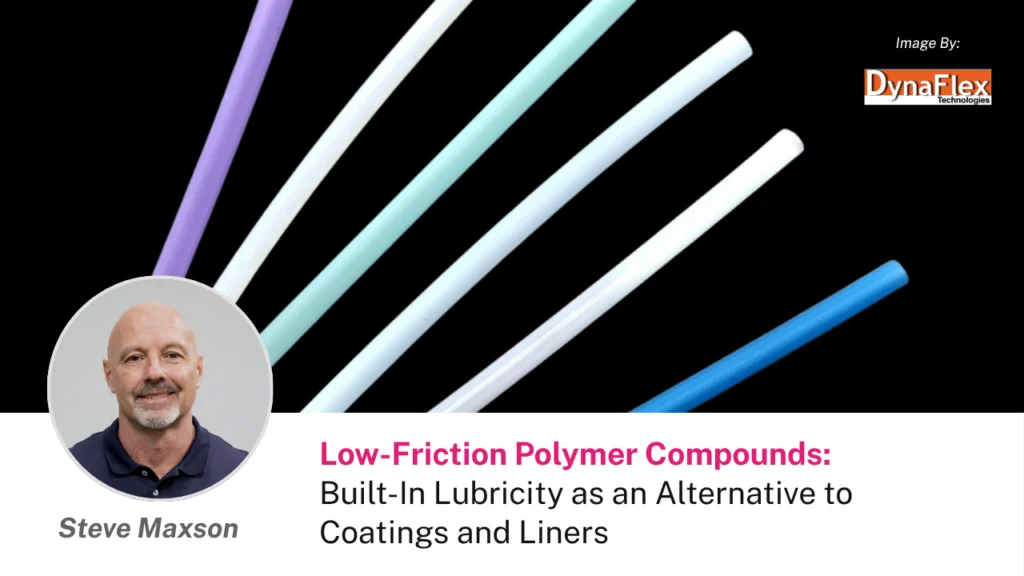
Lubricious polymer compounds are giving MedTech engineers another way to build low-friction performance directly into extruded tubing. Explore how these materials can create durable inner- and outer-surface lubricity while offering an alternative to traditional liners and post-extrusion coatings.
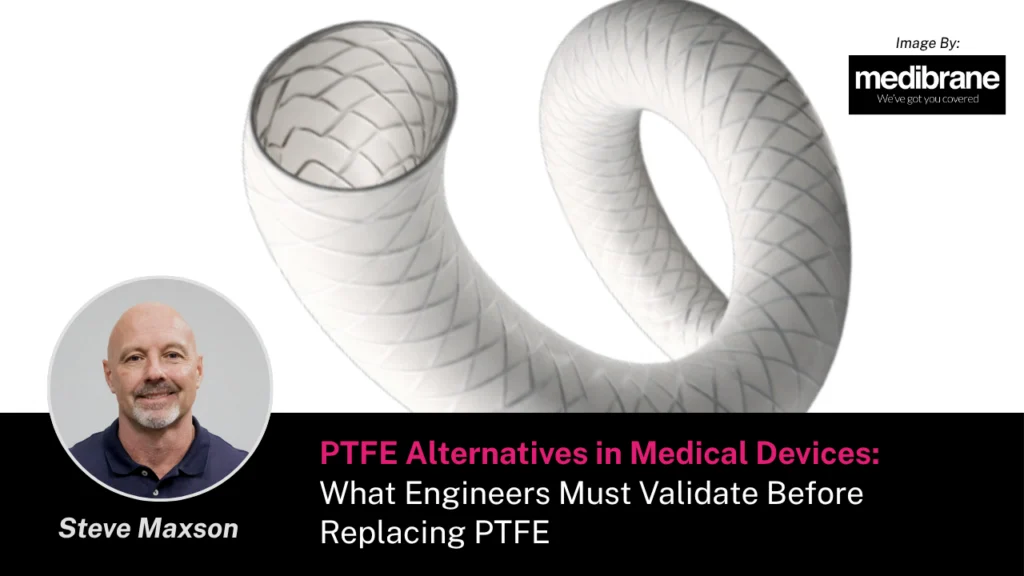
PTFE alternatives are advancing, with MedTech companies developing credible, application-specific solutions. See what’s setting the bar for alternatives and why replacing PTFE is more complex than a simple material swap for catheter liners, ePTFE applications, coatings, and sheaths.
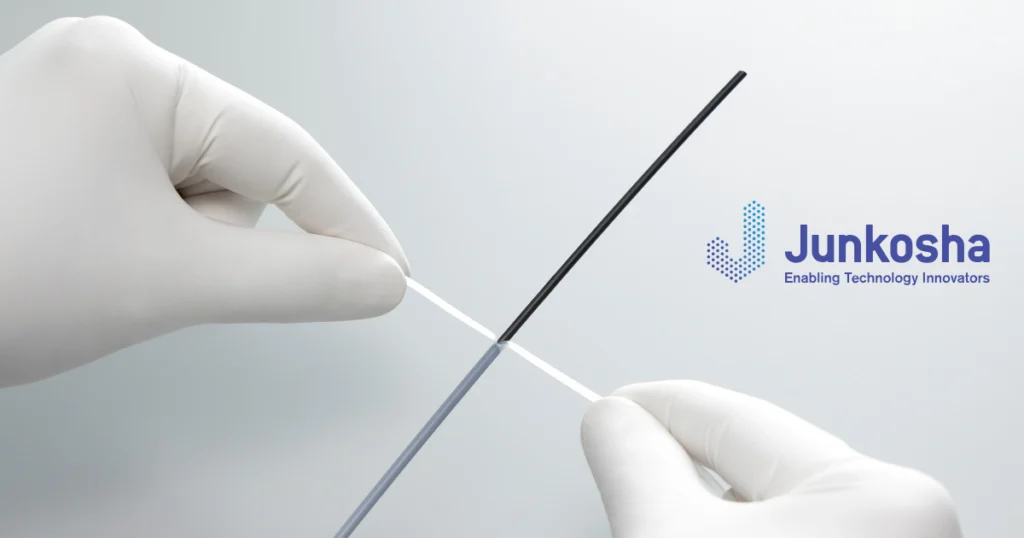
In catheter development and manufacturing, inconsistent heat shrink removal can increase operator dependence, scrap, rework, and risk to delicate assemblies. In this sponsored technical blog post, Junkosha explains how FEP based peelable heat shrink tubing, engineered for controlled linear peelability, helps R&D and manufacturing teams support more repeatable bonding, forming, and lamination processes from development through scaled production.