

 Share
Share

Blog
Expert insights and trends to accelerate medical device innovation and component sourcing.
Chamfr Resources
Learn. Explore. Connect.
New episodes, expert voices, delivered regularly.
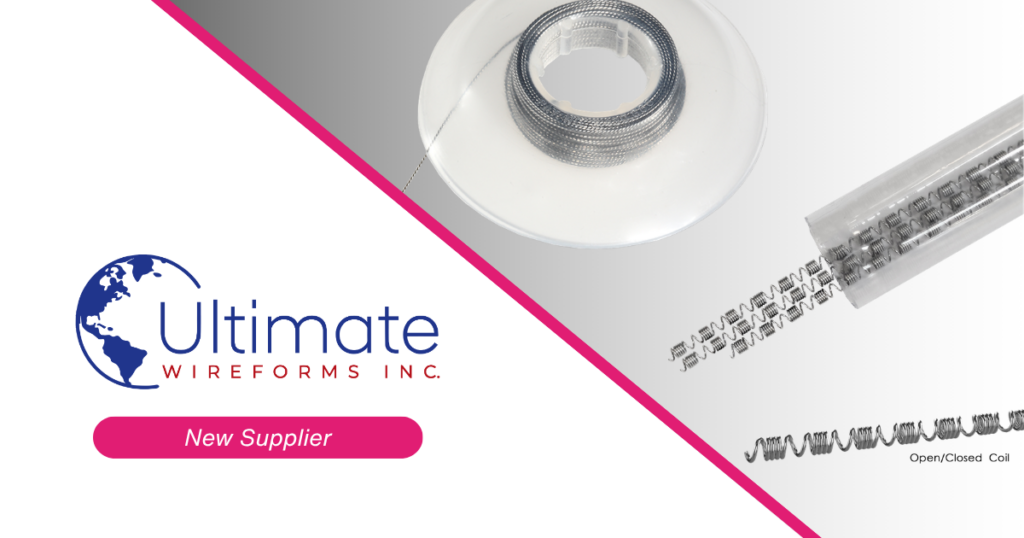
Prototype faster with new in-stock Nitinol, 302 SS, and Beta-III titanium wire, as well as Nitinol springs, from Ultimate Wireforms. Discover the latest options for forming, routing, spring fit checks, prototype fixturing, and more, ready to ship in 1–2 business days.
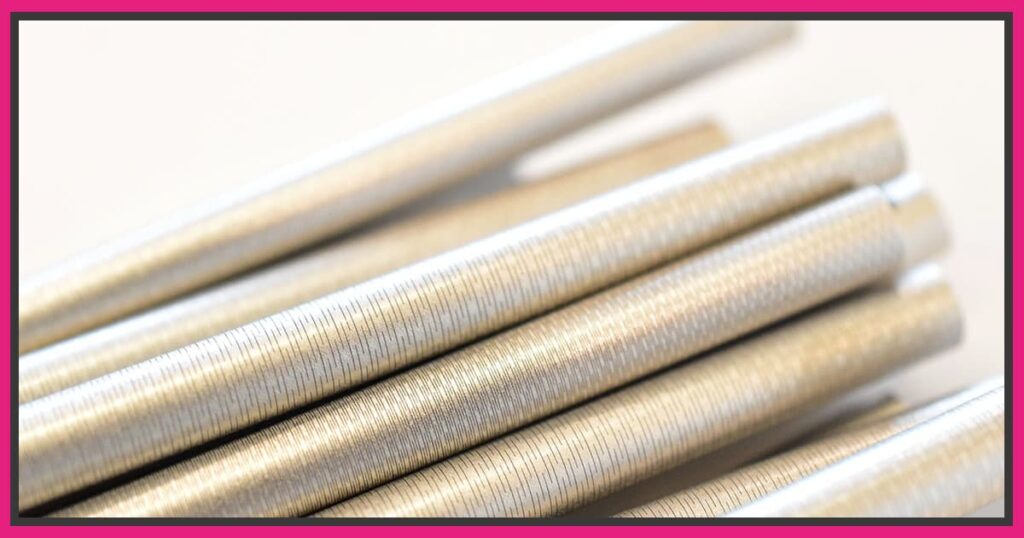
Create thinner, higher-performance interventional devices with laser cut hypotubes that help tune flexibility, torque response, pushability, trackability, and kink resistance in catheter shaft designs.
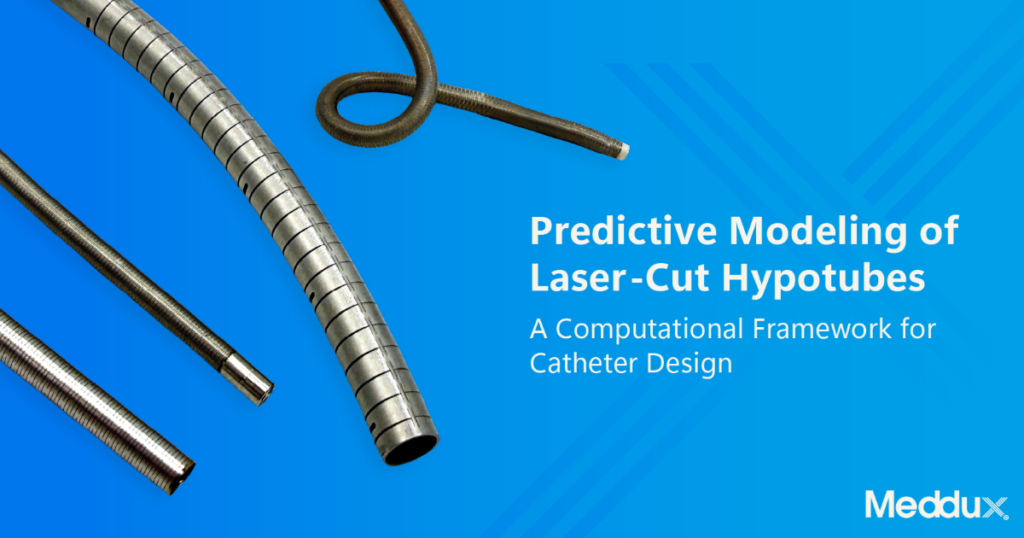
Laser-cut hypotubes give catheter teams greater precision control, but predicting performance can be challenging. In this sponsored technical blog post, Meddux shares a computational framework designed to predict key performance characteristics from defined engineering inputs.

Find the right polymer tubing fit for your application faster. Browse 20 in-stock Saint-Gobain Medical polymer tubing options across Bio-Sil®, Tygon®, and PharmaPure® lines, now available on Chamfr and ready to ship in 1–2 business days.
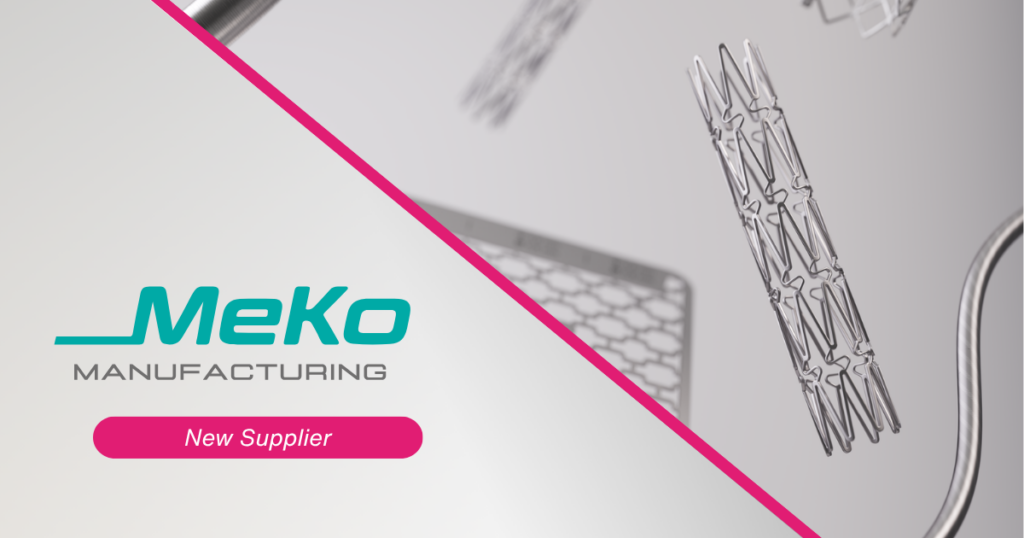
Move catheter and stent designs forward faster with MeKo Manufacturing’s ready-to-ship laser-cut hypotubes, marker cards, and an L605 research stent. Discover the latest in-stock components, now available on Chamfr.

See what happens when promising medical device designs meet real-world process, material, and scale-up challenges, with five key takeaways from technical experts at MPP East.